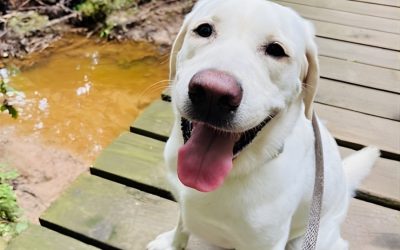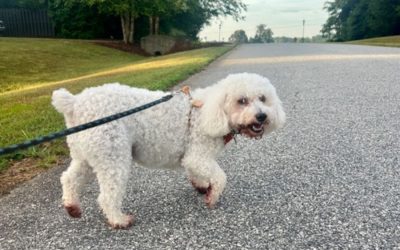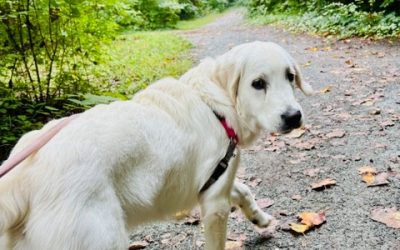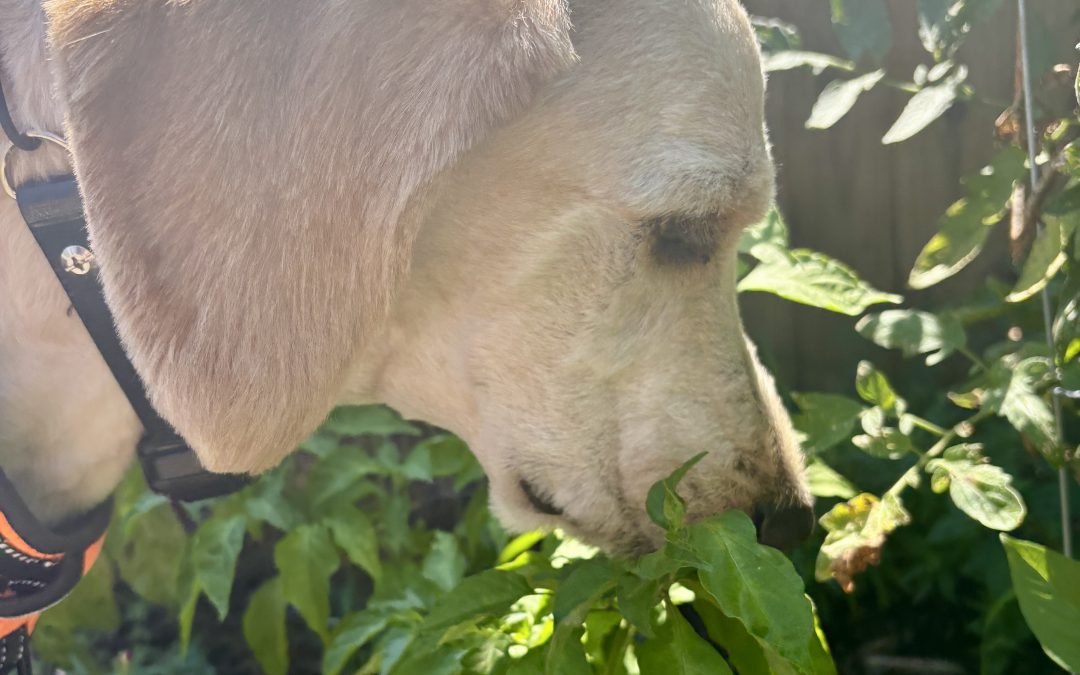
A sniffari is a slow, dog-led walk where the goal is sniffing rather than covering distance. Your dog chooses the route, the pace, and how long to investigate each scent, while you follow along on a long leash. The name is a blend of “sniff” and “safari,” and the point is mental enrichment. Most dogs come home calmer and more satisfied than they would after a brisk lap around the block.
If your dog seems restless even after plenty of exercise, this is likely the piece that has been missing.
What Is a Sniffari?
Regular walks A sniffari, also called a decompression walk or a scent walk, is an unstructured outing where your dog leads and you follow. There is no target distance, no set route, and no expectation of heel work. If your dog wants to spend eight minutes examining one patch of grass, that is a successful sniffari.
The defining rule is simple. The walk should be driven and guided entirely by your dog and their nose. Your job is to keep them safe, stay patient, and resist the urge to move things along.
How a Sniffari Differs From a Regular Walk
Most walks are human-directed. We pick the route, set the pace, keep the dog on a six-foot leash beside us, and aim to get a certain distance covered in a certain time. That is genuine exercise for the human, and it does give the dog movement, but it does not do much for their mind.
A sniffari flips that. The dog is in charge. Their head stays low, they use their nose rather than their eyes to explore, and they stop as often and as long as they want. Rushing a dog past a lamp post they wanted to investigate is a bit like being pulled away mid-sentence from a book you were engrossed in.
Both kinds of walk have a place. Structured daily walks establish a routine and reliably get your dog out, which matters especially if they are home alone during the workday. A sniffari is the enrichment layer on top.
Why Sniffing Matters So Much to Dogs
A dog’s sense of smell is vastly more powerful than their eyesight. Smell is how they read their environment, gather social information about who has passed through and when, and make sense of the world. Sniffing is not a distraction from the walk. For a dog, sniffing is the walk.
There is a physiological side to this too. Deep, sustained sniffing has a calming effect on dogs, and having some control over their own environment is genuinely rewarding for them. Sources in the veterinary behavior world have linked free sniffing on walks to lower heart rates and reduced stress. Trainers working with anxious and reactive dogs increasingly reach for scent-based enrichment as a primary tool for exactly this reason.
This kind of mental work is also what actually tires a dog out. A dog can run hard for two hours and still be restless, destructive, or attention-seeking at home, because their physical needs were met while their cognitive needs were not.
The Benefits of a Sniffari
Dogs who get regular scent walks tend to be calmer at home and settle more easily in the evening. The mental fatigue from processing hundreds of smells is deeper and longer-lasting than the tiredness that comes from physical exertion alone.
You may also see less boredom-driven behavior. Chewing, barking, digging, and general restlessness are often signs of an under-stimulated dog rather than a badly behaved one.
For nervous or reactive dogs, sniffaris can build confidence. Being allowed to explore at their own pace, without pressure to keep up or perform, gives them agency in a way structured walks do not. Many owners find their dog’s overall anxiety improves once scent walks become a regular habit.
How to Do a Sniffari With Your Dog
Use a long leash. This is the one piece of gear that matters. Something in the range of ten to thirty feet gives your dog real freedom to wander while keeping them safe near roads and wildlife. Biothane long lines are popular in the enrichment world because they do not tangle, do not soak up mud, and will not burn your hands if your dog lunges. A standard six-foot leash is too short to let a sniffari work properly.
Pick a spot with plenty to smell. Scent variety matters more than scenery. Nature trails, quiet parks, and low-traffic neighborhoods all work well. Busy sidewalks and hot pavement do not.
Let your dog lead and stay quiet. No commands, no redirecting, no pulling them along. Follow where they go. This is harder than it sounds, and the first few attempts often feel slow and aimless. That is the point.
Aim for twenty to forty-five minutes. That is usually long enough for a dog to fully engage without becoming overtired. Two or three sniffaris a week make a noticeable difference for most dogs.
Bring water and waste bags, and check the ground temperature in summer. Greensboro heat builds fast between May and September, and hot asphalt can burn paw pads even when the air feels manageable.
Where to Take Your Dog for a Sniffari in Greensboro
You want somewhere with a wide variety of scents, safe footing, and not too much foot traffic. Greensboro has good options. Wooded trails tend to work better than paved loops for this purpose, since there is simply more to smell, though a quiet greenway early in the morning works well too.
Our guide to the best places to walk your dog in Greensboro covers the specific trails, greenways, and parks worth trying, with parking details for each. For a sniffari specifically, look for the quieter wooded routes on that list rather than the popular gardens on a weekend afternoon.
Is a Sniffari Enough Exercise?
Not entirely, and it is worth being clear about that. A sniffari is mental enrichment first. A dog who covers very little ground while sniffing for forty minutes has had a rich mental workout but not much cardiovascular exercise.
The best approach for most dogs is both. Regular structured walks handle the physical side, and the daily routine and sniffaris handle the mental side. If your dog is alone during the workday, a consistent midday walk covers the bathroom break and movement they need, with sniffaris layered in as enrichment when you have more time.
Sniffari or Decompression Walk, Is There a Difference?
The two terms are used most of the time interchangeably, and both describe a slow, dog-led, sniffing-focused outing. Some trainers draw a fine distinction, using “sniffari” for a slightly more curated version where scents or objects are deliberately placed for the dog to find, and “decompression walk” for a purely unstructured wander in nature. In everyday use, they mean the same thing.
Frequently Asked Questions
What is a sniffari for dogs?
A sniffari is a slow, dog-led walk focused on sniffing rather than distance. The dog chooses the route, pace, and duration of the investigation for each scent, while the owner follows on a long leash. It is a form of mental enrichment that leaves most dogs calmer than a standard brisk walk.
How long should a sniffari be?
Twenty to forty-five minutes suits most dogs. Two or three sniffaris a week is a good target alongside your dog’s regular walks.
What kind of leash do I need for a sniffari?
A long line between ten and thirty feet. This gives your dog freedom to explore while keeping them safe. A standard six-foot leash does not allow enough room for the walk to work as intended.
Is a sniffari better than a dog park?
For many dogs, yes. A sniffari offers mental stimulation without the social pressure and unpredictability of a dog park, making it a good option for shy, anxious, or reactive dogs. It is not a substitute for physical exercise, though.
Can puppies and senior dogs do sniffaris?
Both do well with them. Sniffaris are low-impact and self-paced, so senior dogs with limited stamina and puppies still building endurance can both enjoy one without overexertion.
Want Someone Else to Handle It?
Sniffaris take time, and a proper one cannot be rushed. If your schedule does not allow for it, Top Tails Adventure Walks are built around exactly this idea. Each outing is a 90-minute, one-on-one trip to a local park or trail where your dog can explore new scents and terrain at their own pace. Dogs stay on leash throughout, every location is chosen with your dog’s comfort and the day’s conditions in mind, and you receive photos, a detailed update, and a GPS map afterward. They come home happy, tired, and ready to relax.
We also offer regular dog walking in Greensboro for the daily routine side of things. Reach out any time, and we can talk through the right mix for your dog.

Andrea is the founder of Top Tails of Greensboro LLC, a professional pet sitting and dog walking company in Greensboro, NC. She is certified in Pet CPR and First Aid and is a member of Pet Sitters International. Learn more about Andrea!