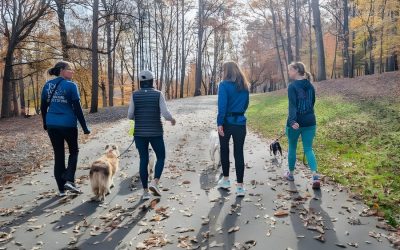
Winter walks can feel like a chore once the temperatures drop and daylight disappears earlier, but for most dogs, daily walks still matter just as much.
Even in Greensboro, where winters are usually mild compared to northern states, cold mornings, wet sidewalks, and sudden temperature swings can change how walks feel for both you and your dog.
But the good news is that with a few small adjustments, winter walks can stay safe, comfortable, and enjoyable all season long. Today, we’ll walk through our top winter dog walking tips every pet owner should know.
Adjust Expectations Without Skipping Walks
One of the biggest mindset shifts in winter is letting go of what a walk is supposed to look like. Colder weather naturally changes the pace, and that’s completely normal. Some days, walks will be shorter, slower, or split into smaller outings, and that still counts. What matters most during winter is consistency, not how far you go.
You may notice that some dogs still want their usual loop, while others are ready to head back inside much sooner. Paying attention to your dog’s comfort, energy level, and enthusiasm helps you adjust without turning walks into a struggle for either of you.
Protect Paws From Cold and Chemicals
Winter surfaces can be rough on paws, especially once temperatures dip below freezing. Even in Greensboro, ice melt and road salt are commonly used around sidewalks, parking lots, and shopping areas after cold snaps. Those chemicals can quickly irritate paws if not removed.
Before walks, check for dryness or cracking, especially if your dog already has sensitive feet. After walks, wiping paws with a damp cloth can make a big difference by removing salt and moisture before irritation starts. Small habits like this can prevent soreness and keep your dog more comfortable throughout the season.
To protect paws during winter walks:
- Use a pet-safe paw balm
- Rinse or wipe paws after walks
- Watch for limping or frequent licking
- Consider booties for sensitive dogs
Choose the Right Time of Day
When it comes to winter walks, timing can make a noticeable difference. Midday walks are often warmer and more comfortable than heading out early in the morning or late in the evening, especially during colder stretches. The sun adds a bit of warmth, and better daylight makes it easier to see what is ahead, which helps on gray or overcast days.
If early or late walks are your only option, visibility becomes especially important. Shorter days mean drivers may not be looking for walkers, even in quieter neighborhoods. Wearing reflective gear or using a reflective leash helps keep both you and your dog visible when light is limited.
Dress for the Weather, Not the Calendar
Cold tolerance varies widely from dog to dog. Some dogs barely notice a temperature change, while others feel it right away. Short-coated breeds, smaller dogs, seniors, and puppies often benefit from an extra layer once the air turns chilly. Wind and damp weather can make conditions feel colder than the temperature suggests.
Pay attention to your dog during walks. Shivering, slowing down, lifting paws, or acting reluctant to keep moving are all signs that it may be time to head back inside. A well-fitted jacket or sweater can make winter walks more comfortable and help your dog stay relaxed instead of tense against the cold.
Stay Alert on Wet and Leaf-Covered Paths
Winter often brings slick leaves, muddy patches, and damp sidewalks that can make even familiar routes feel different underfoot. After rain or a cold snap, walkways can become uneven or slippery, especially in shaded areas where moisture lingers longer. Even well-maintained neighborhoods can surprise you this time of year.
Sticking to familiar, well-lit routes when conditions are questionable helps reduce the risk of slips for both you and your dog. Taking things a little slower and watching where you step can keep walks calm and comfortable instead of rushed or stressful.
Mental Stimulation Still Counts
When colder weather shortens walks, mental engagement becomes just as important as physical movement. Letting your dog sniff, explore, and move at their own pace can be incredibly satisfying, even if the walk itself is shorter. Dogs experience the world through scent, so a slower walk that allows them to investigate can meet their needs just as well as a longer route.
Final Thoughts
The bottom line is that winter dog walking tips come down to awareness, preparation, and listening to your dog. Shorter walks still count, and a little extra care can make winter outings safer and more enjoyable for both of you.
If cold mornings, busy schedules, or shorter daylight hours make walks harder to fit in, we’re here to help. Our experienced team provides reliable dog walking services throughout the winter so your dog stays active, happy, and cared for all season long. Reach out anytime to learn more.

Andrea is the founder of Top Tails of Greensboro LLC, a professional pet sitting and dog walking company in Greensboro, NC. She is certified in Pet CPR and First Aid and is a member of Pet Sitters International. Learn more about Andrea!